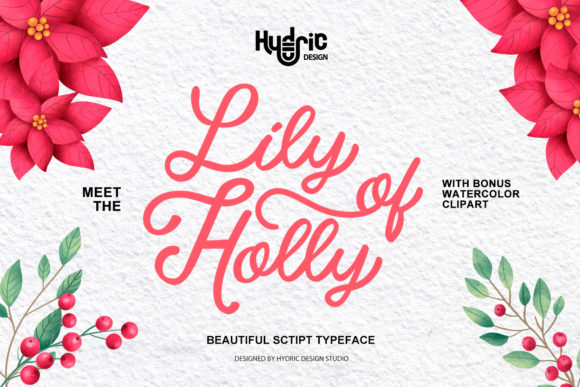
Lily of Holy: The Elegant Handwritten Typeface for Handmade Brands
When you are building a handmade business, every pixel matters. You want your products to look professional, but you also need them to feel personal and warm. That is where Lily of Holy becomes an essential part of your design toolkit. This beautiful and elegant handwritten font stands out in the crowded world of Script Amp typefaces because of its distinct and well-rounded letters. It is not just a decorative element; it is a masterpiece that can elevate candle labels, wedding invitations, and boutique tags instantly.
As a creator who spends hours designing SVG files and printable products, I have learned that the right typography can make or break a customer's first impression. Lily of Holy offers a unique charm that feels both modern and timeless. Its soft curves and inviting strokes create an emotional connection with the viewer, making it perfect for brands that want to communicate care, quality, and attention to detail.
Why Lily of Holy Stands Out in Design Projects
Many script fonts on the market are too thin to cut cleanly on vinyl or too complex to read on small product packaging. Lily of Holy solves this problem by balancing beauty with practicality. The letterforms are distinct enough to be legible even at smaller sizes, which is crucial when creating stickers, price tags, or social media graphics. The rounded nature of the characters gives the text a friendly, approachable vibe without sacrificing elegance.
This typeface shines when used as a display font for headlines and titles. Whether you are designing a farmhouse-style sign for a home decor shop or a romantic welcome board for a wedding, the visual weight of Lily of Holy commands attention. It brings a sense of sophistication that generic handwriting fonts often lack. When customers see your product packaging featuring this font, they immediately perceive higher value and craftsmanship.
Ideas for Using Lily of Holy in Your Shop
The versatility of this font allows it to fit seamlessly into various physical and digital products. Here are some practical ways I use it to bring my creative projects to life:
- Candle and Soap Labels: The elegant curves of Lily of Holy work beautifully on round jar labels. It pairs perfectly with ingredient lists set in a clean sans serif font, creating a balanced and professional look.
- Wedding Stationery: From save-the-dates to menu cards, this font adds a touch of romance. It reads clearly on paper while maintaining the handcrafted feel that couples love.
- Boutique Tags: For clothing or accessory shops, hanging tags with this font suggest a high-end, curated brand identity. It looks great printed on kraft paper or glossy cardstock.
- Wall Art and Printables: Create inspirational quotes or nursery art. The distinct letters ensure that the message is readable from a distance, making it ideal for framed prints.
- Holiday Packaging: Seasonal designs benefit from the festive yet refined look of this handwritten style. Use it for gift tags, wrapping paper patterns, or custom box lids during the holidays.
- Mugs and Tote Bags: When transferring designs via heat press, the well-rounded shapes of Lily of Holy hold up well against fabric textures and curved surfaces.
Readability and Cutting Machine Compatibility
One of the most common concerns for crafters using Cricut or Silhouette machines is whether a script font will cut cleanly. Lily of Holy is designed with these production needs in mind. The connections between letters are smooth, reducing the risk of floating pieces that require tedious weeding. This makes it an excellent choice for creating vinyl decals, stencils, and intricate sticker sheets.
However, even the best font requires proper spacing. When designing for small items like bottle caps or keychains, I recommend testing the size before mass production. While the font is highly readable, very fine details can sometimes get lost if scaled down too much. For larger formats like posters or banners, the font truly shines, allowing you to showcase its full artistic potential.
If you are creating digital downloads, such as planner pages or printable journals, Lily of Holy adds a personal touch that pre-made templates often miss. It helps your digital products stand out in marketplaces by offering a unique aesthetic that feels custom-made rather than mass-produced.
Pairing Lily of Holy for Maximum Impact
A single font rarely tells the whole story. To create a cohesive brand identity, pairing Lily of Holy with a contrasting typeface is essential. Because this is a script font with strong personality, it works best when paired with something neutral and structured.
For a modern, clean look, pair it with a geometric sans serif font. This combination is perfect for contemporary branding, tech-focused product labels, or minimalist wedding invites. The contrast between the flowing script and the rigid lines creates visual interest and ensures that all information remains easy to read.
Alternatively, if you want a more traditional or rustic feel, try pairing it with a classic serif font. This duo works wonderfully for bakery signs, artisanal food packaging, or vintage-style stationery. The serifs add a touch of formality that grounds the whimsical nature of the script, resulting in a design that feels both established and inviting.
Technical Features and Commercial Licensing
Before purchasing any premium font, it is vital to check the file contents. Lily of Holy typically includes a variety of styles, alternates, and ligatures that allow for dynamic text composition. These features let you avoid repetitive letter patterns, adding authenticity to your designs. Look for swashes and special characters that can enhance specific words, such as names or brand titles.
Most creators will also want to know about multilingual support. If your brand targets an international audience, checking if the font supports additional languages is crucial for expanding your reach. Additionally, ensure the file format (usually OTF or TTF) is compatible with your design software, whether you are using Adobe Illustrator, Canva, or Procreate.
Finally, always review the commercial license terms. As a seller, you likely need a commercial font license to legally use Lily of Holy on products you sell, including physical goods, printables, and digital assets. A standard license usually covers merchandise, templates, and client work, but it is important to verify the specific terms regarding end-use. This protects your business and ensures you are using the font ethically and legally.
Incorporating Lily of Holy into your workflow is more than just a design choice; it is a strategic move to improve your product presentation. By choosing a font that balances readability with artistic flair, you signal to your customers that you care about the details. Whether you are crafting a single custom order or launching a line of branded products, this typeface provides the foundation for a memorable and professional brand image.