Smiley Cat: The Handwritten Typeface That Brings Life to Brand Identity
The cursor blinked on a blank canvas, and I stared at the empty brand board. My client needed a visual identity for a new artisanal soap line that felt personal, approachable, and undeniably human. We had tried the usual suspects—clean sans-serifs and elegant serifs—but they all felt too sterile for a product made with hand-poured care. It was time to break out the Script Amp collection and see if we could find something with more soul. That is when I stumbled upon Smiley Cat.
At first glance, it looked like just another playful script, but as I started dragging letters around the mockup, something clicked. This isn't a font you force into a design; it's one that seems to invite itself in. Its natural and unique style makes it incredibly fitting to a large pool of designs, but finding the right context is key. In this project, Smiley Cat became the heartbeat of the entire brand.
First Impressions: A Friendly Personality
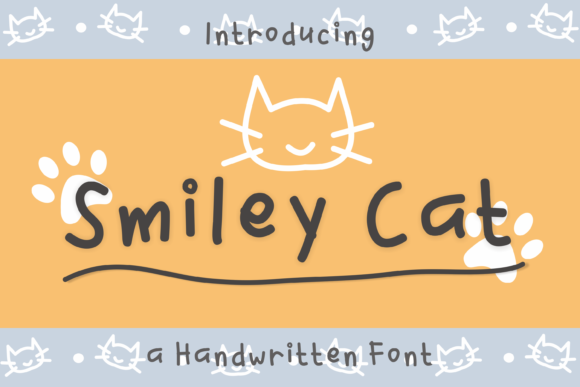
When you open the file, the first thing you notice is the character. Unlike stiff calligraphy or overly polished brush fonts, Smiley Cat feels like a quick note written with a favorite marker. It has a slight wobble that adds authenticity, mimicking the imperfections of real handwriting. This is crucial for a brand identity that wants to convey trust and warmth rather than corporate perfection.
I tested it immediately on a logo draft. Usually, handwritten fonts can look messy when scaled down, but Smiley Cat held its shape beautifully. The loops were distinct, and the connection between letters felt organic rather than forced. It sat perfectly next to a simple icon of a cat silhouette, creating a cohesive mark that felt both modern and nostalgic. It wasn't just a typeface; it was a personality trait for the brand.
From Logo to Packaging: Scaling the Design
The real test came when moving from the logo to the packaging design. For the soap labels, I used Smiley Cat as the primary display font. Because it is a creative font designed for impact, it works best as a headline font or logo font where you want to grab attention instantly. I placed the brand name across the front of the box, letting the letters dance slightly above the baseline.
However, readability is always a concern with script fonts. To solve this, I kept the body text clean and minimal, using a neutral sans serif font for ingredients and usage instructions. This contrast created a perfect visual hierarchy. The eye is drawn to the friendly script first, then rests comfortably on the readable text below. It is a classic pairing strategy that ensures the brand looks professional while retaining its whimsical charm.
- Logo Design: Use the uppercase characters for the main brand mark to ensure recognition.
- Packaging Labels: Ideal for short-form text like product names or slogans.
- Social Media Graphics: Perfect for Instagram stories and promotional posts where a personal touch engages the audience.
Testing the Limits: Digital and Print Applications
Beyond physical packaging, I wanted to see how Smiley Cat would perform in digital spaces. We were designing a homepage hero section for the client's website. Often, handwritten fonts can struggle with screen rendering, but this premium font adapted well to web design contexts. When paired with a modern typography style for navigation menus, the script added a layer of approachability that pure geometric fonts lacked.
I also experimented with editorial design elements for their blog. Using Smiley Cat for pull quotes and section headers broke up the monotony of long-form text. It acted as an accent font, guiding the reader through the content without overwhelming them. The font's natural rhythm made reading feel less like a chore and more like a conversation.
One specific detail I loved was how the alternates worked. When typing "hello," the different variations of the letter 'l' and 'o' prevented the text from looking repetitive. This feature is essential for any designer working on high-end branding assets, ensuring that even small details feel intentional and crafted.
Pairing Strategies for Maximum Impact
If you are considering adding Smiley Cat to your toolkit, think carefully about what it pairs with. Since it is a handwritten font with a distinct personality, it needs a partner that provides structure. A solid serif font works wonders for print materials like brochures or business cards, adding a touch of sophistication that balances the playfulness of the script.
For a more contemporary look, pair it with a clean sans serif font. This combination is versatile enough for everything from tech startups with a friendly vibe to lifestyle brands. The key is to let Smiley Cat shine as the star while the supporting typeface acts as the stage. Avoid pairing it with other scripts unless you are an advanced typographer; two competing handwritten styles often result in visual chaos rather than harmony.
Practical Tips for Client Work
Before committing to a full brand system, I always recommend testing the font in various contexts. Download the trial version and try placing it on a mockup of a shop sign, a t-shirt, or a digital ad. Does it look good at 10 pixels? Does it lose its charm at 5 inches? Smiley Cat proved resilient in these tests, maintaining its legibility whether it was a tiny sticker on a jar or a large banner on a storefront.
When presenting this to clients, focus on the mood. Explain that this font isn't just about decoration; it is about communication. It signals that the brand values creativity and human connection. In the world of commercial design assets, having a font that can bridge the gap between professional polish and personal warmth is a rare and valuable commodity.
Remember to check the included styles and multilingual support before purchasing the license. While Smiley Cat is fantastic for English-based branding, knowing the extent of your character set helps avoid surprises later. The file formats provided were standard and easy to integrate into Adobe Illustrator, Photoshop, and InDesign, making the workflow smooth for any graphic designer.
The Verdict: A Versatile Creative Tool
In the end, Smiley Cat delivered exactly what the soap brand needed. It transformed a generic product line into a storybook experience. The only limit is your imagination, and for a designer, that is the most exciting part of the job. Whether you are working on a boutique label, a creative studio portfolio, or a local restaurant menu, this typeface offers a fresh perspective.
It reminds us that typography is not just about conveying information; it is about setting a tone. By choosing a font with such a distinct voice, you give your brand identity a chance to speak directly to the heart of your audience. If you are looking for a script font that balances fun with functionality, Smiley Cat is definitely worth a spot in your library.